This campaign began with a question hundreds of Iowans are asking: What makes Iowa different?
Iowa has the second highest cancer incidence rate in the nation and is one of just a few states where the rate is rising. While the U.S. has a declining overall cancer rate, Iowa's rate is sharply increasing. Cancer diagnoses among Iowans under 50 are also increasing at an alarming rate.
While some cancer risks, such as smoking, alcohol consumption, and exposure to UV light from the sun or tanning beds, are well-known and studied, environmental risk factors are not. The conversation about the interplay between environmental pollution and Iowa's cancer rates was overdue. Iowans need to know what's in our water, soil, and air, and we decided to do something about that.
The Voices of Iowans
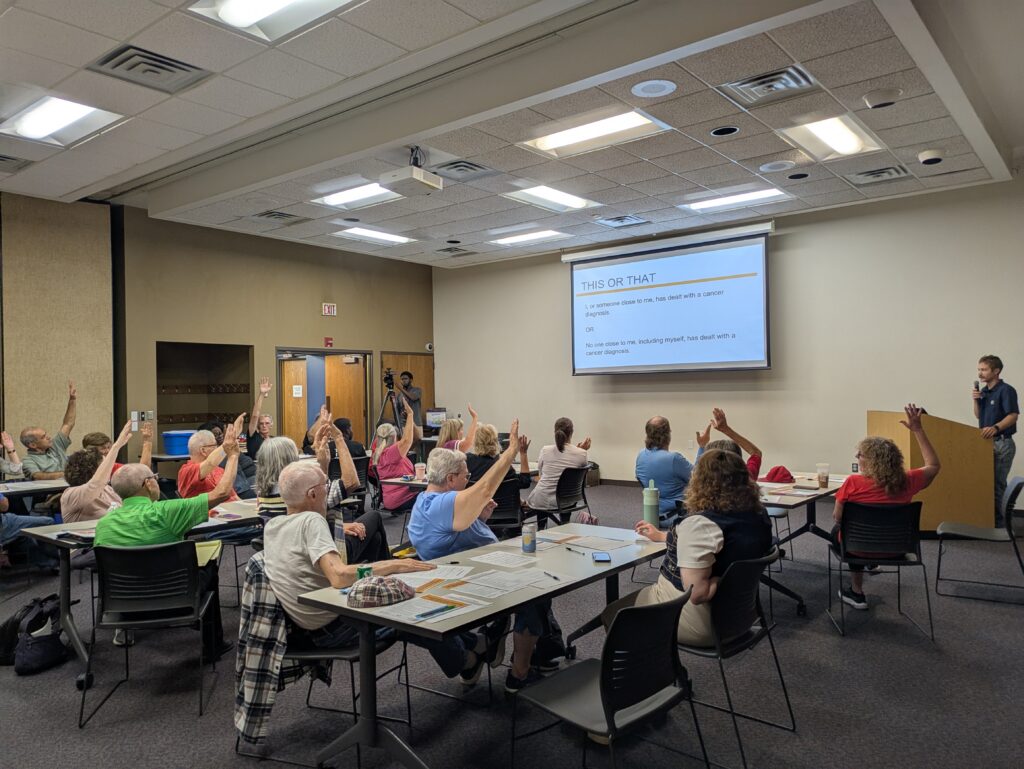
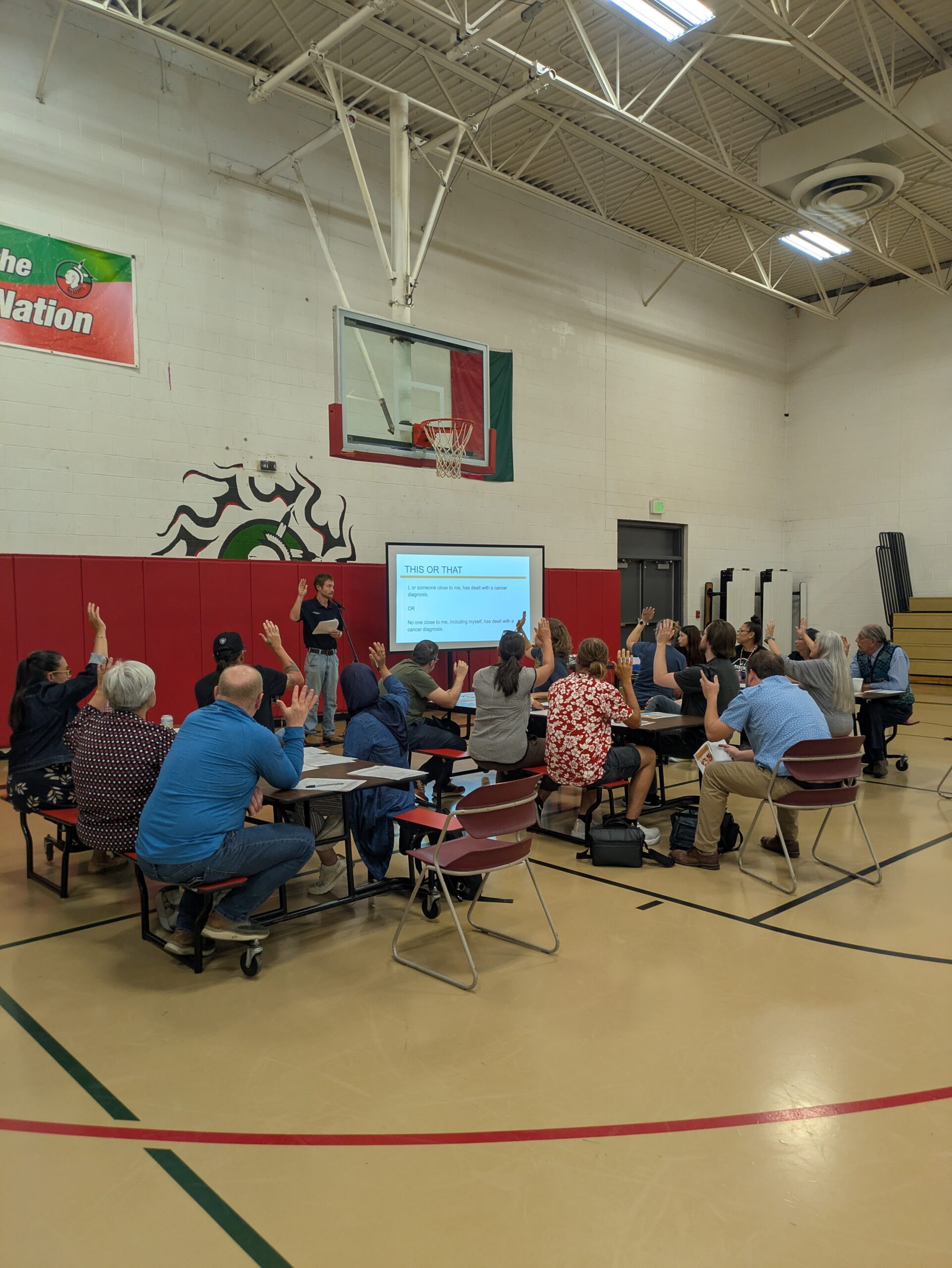
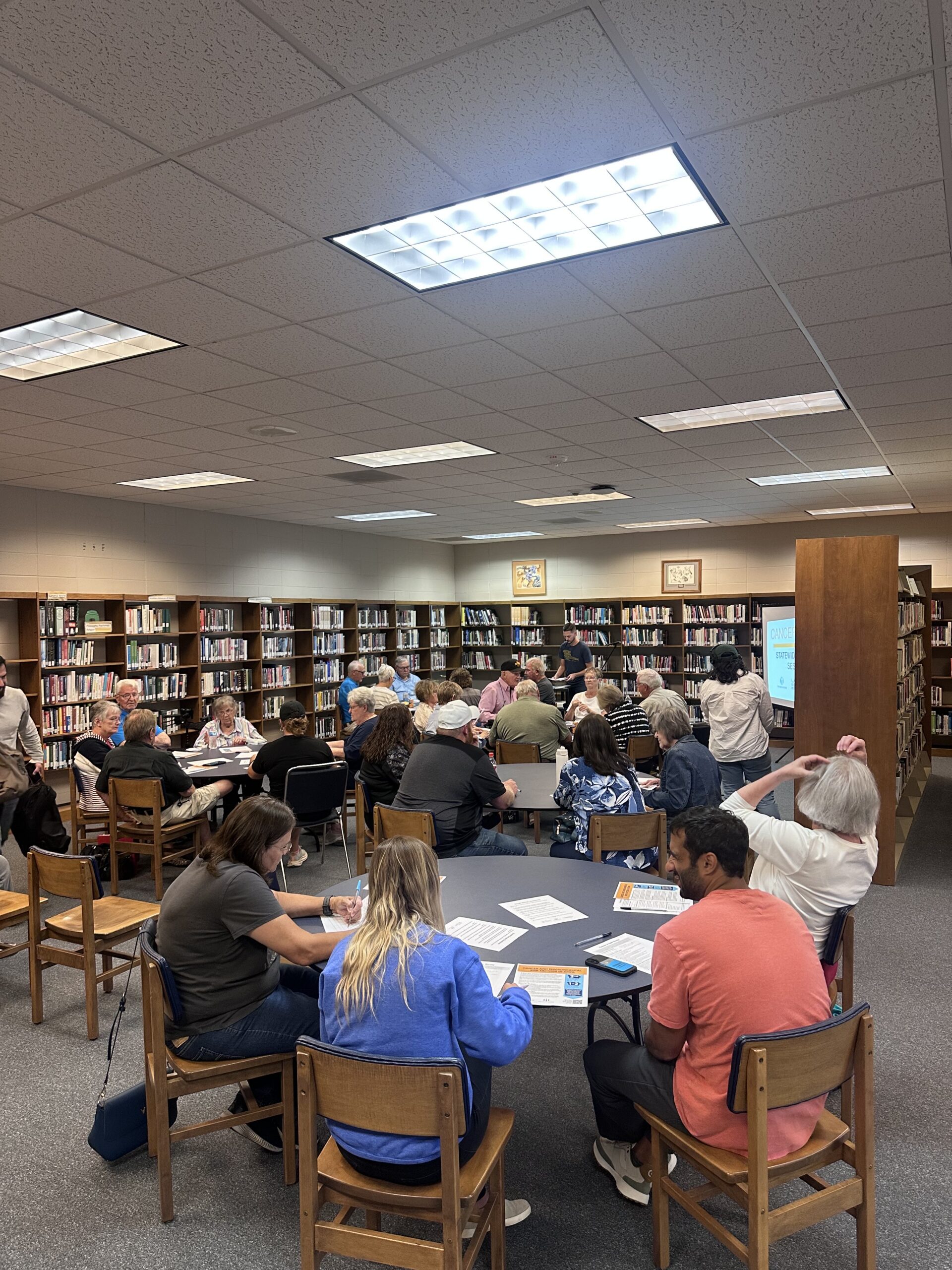
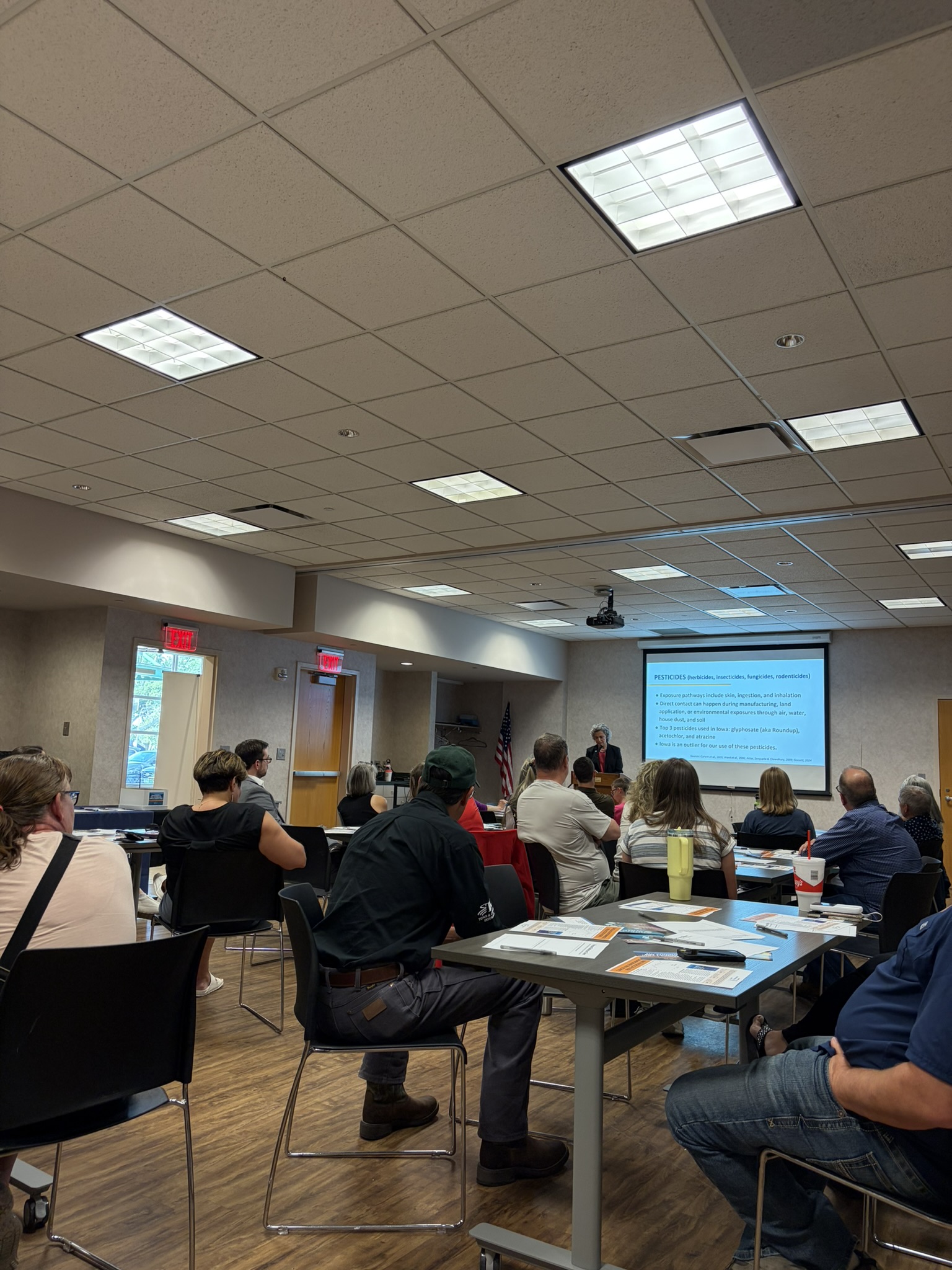
In the summer of 2025, the Iowa Environmental Council, The Harkin Institute, and the Iowa Farmers Union hosted 16 listening sessions across Iowa and heard from hundreds of Iowans, both rural and urban, living in areas with a particularly high cancer burden.
In libraries and community centers, Iowans overwhelmingly said they do not have enough information about environmental risks. They are deeply worried about drinking water contamination, industrial pollution, and exposure to agricultural chemicals. Their voices served as the driving force behind the report released in 2026.
The Report
Released in March 2026, “Environmental Risk Factors and Iowa’s Cancer Crisis” is a first-of-its-kind report and in-depth literature review of top scientific studies and academic research exploring the environmental risk factors driving Iowa’s high cancer rates. The major sections of the report cover:
Pesticides, a category that includes herbicides, insecticides, rodenticides, and fungicides, particularly the three most-applied pesticides in the state- glyphosate, acetochlor, and atrazine
Nitrate, a naturally occurring chemical, made up of nitrogen and oxygen. It is also increasingly manufactured and added to synthetic fertilizer
PFAS, or per- and polyfluoroalkyl substances, also known as Forever Chemicals
Radon, a colorless, tasteless, and odorless gas that is found in higher rates across Iowa due to the state geology
The report drew on more than 250 studies and analyzed data from highly regarded, long-term, and peer-reviewed research studies. It was also reviewed by a panel of medical and environmental experts.
The report showed that the examined environmental risk factors are associated with increased cancer incidence and risk for numerous cancer types. Our analysis shows that all of these carcinogens are present at high levels in Iowa. Exposures to these factors combine and build on one another as well.
Cancer is multifactorial and complex. However, we know enough to act to mitigate these modifiable risk factors.
The growing movement
Protect Water Prevent Cancer is a collaborative project built by Iowans and led by the Iowa Environmental Council, in partnership with the organizations listed below. Our goals are to lower Iowa's cancer rates and reduce environmental pollution, so every Iowan has access to safe water and healthy communities.